
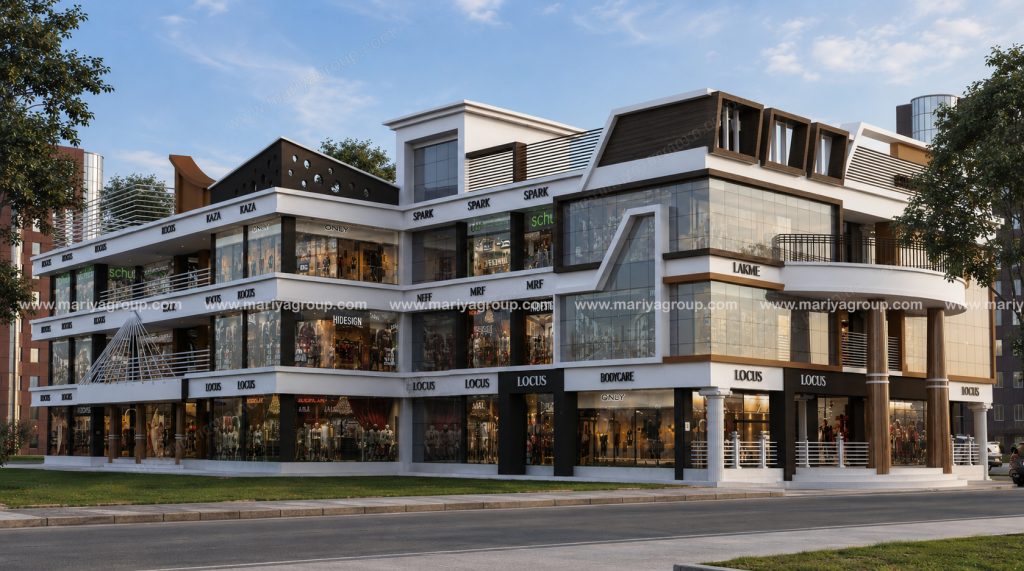

Your Architect Will Influence Your Business for Decades
When planning a commercial building, most business owners focus on location, budget, and construction costs.
Very few realise that one of the biggest determinants of their project’s success is the commercial building architect they choose.
The right architect can help create a building that improves operational efficiency, enhances customer experience, supports future expansion, and maximises return on investment.
The wrong one can lead to costly design revisions, approval delays, inefficient layouts, and operational challenges that remain long after construction is complete.
Whether you’re planning a corporate office, hotel, business centre, showroom, or hospitality project, choosing experienced commercial building architects is one of the most important business decisions you’ll make.
This guide explains the ten questions every corporate decision-maker should ask before appointing an architectural partner.
Why Commercial Buildings Require Specialist Architects
Commercial buildings are fundamentally different from residential projects.
A home is designed around personal comfort.
A commercial building must support business objectives.
Every design decision affects:
- Employee productivity
- Customer experience
- Operational workflow
- Regulatory compliance
- Energy efficiency
- Maintenance costs
- Future expansion
- Brand perception
This is why experienced commercial building architects begin by understanding your business, not by sketching a building.
1. Have They Successfully Delivered Commercial Projects Similar to Yours?
Every commercial sector has unique requirements.
Designing a hotel is different from designing:
- Corporate offices
- Educational institutions
- Healthcare facilities
- Retail spaces
- Mixed-use developments
Ask to see completed projects relevant to your industry.
Review:
- Planning approach
- Functional layouts
- Building efficiency
- Design quality
- Project outcomes
Past performance is often the strongest indicator of future capability.
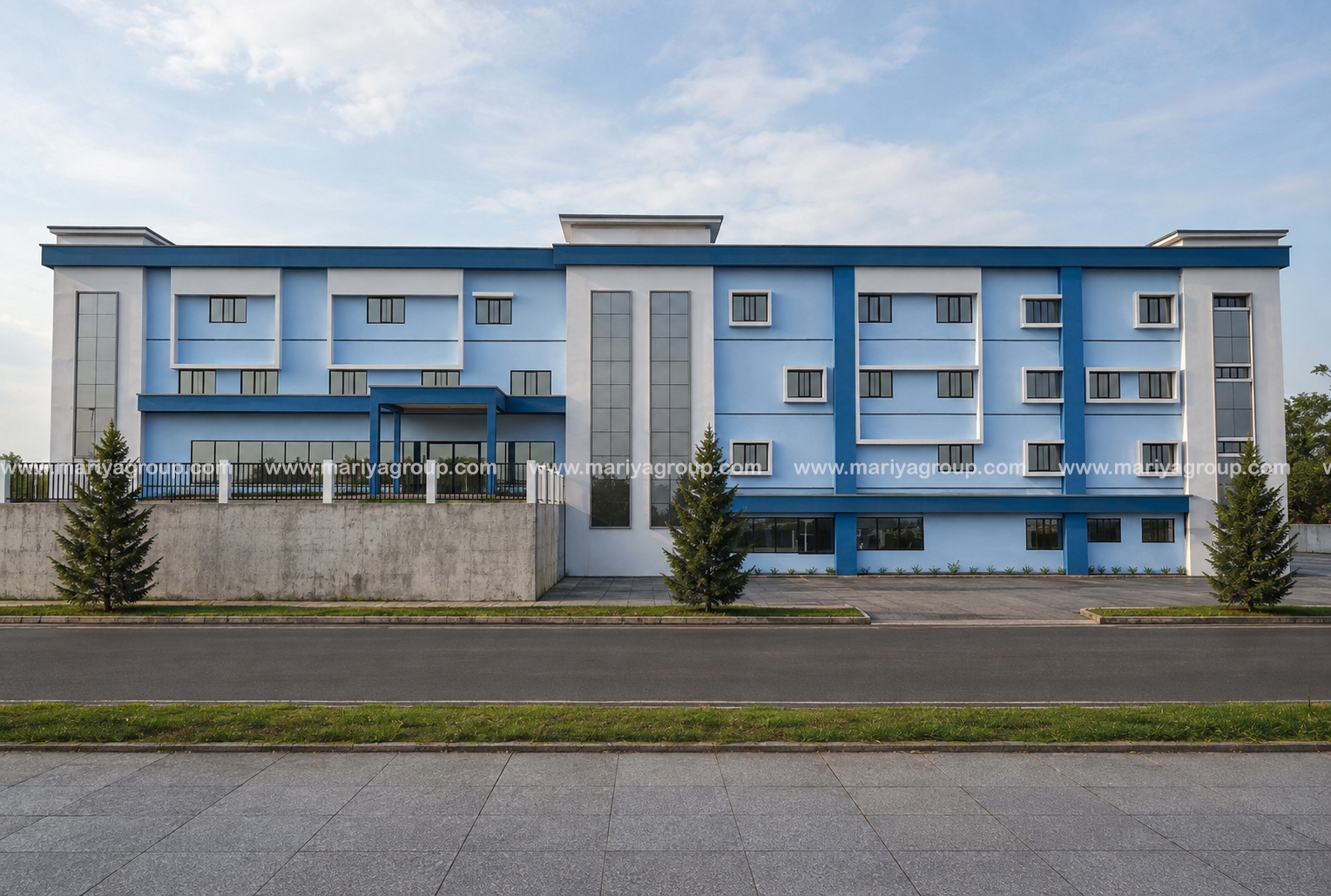
2. Do They Understand Your Business Before Discussing Design?
A professional architect should spend more time asking questions than presenting drawings during the first meeting.
Expect discussions around:
- Business operations
- Customer journey
- Employee workflow
- Future expansion
- Brand positioning
- Budget priorities
- Operational challenges
Great commercial architecture begins with business strategy, not aesthetics.
3. What Is Their Design Process?
Professional firms follow a structured methodology.
A typical commercial architecture process includes:
Discovery
Understanding business objectives, site conditions, regulations, and operational requirements.
Concept Development
Preparing design concepts aligned with your goals.
Technical Design
Coordinating architecture, structural engineering, MEP services, and statutory requirements.
Construction Documentation
Producing accurate drawings that reduce site errors.
Project Coordination
Supporting consultants and contractors throughout execution.
A documented process reduces uncertainty and improves project outcomes.
4. Can They Balance Design with Commercial Performance?
An impressive-looking building is not necessarily a successful business asset.
Ask how the proposed design will improve:
- Operational efficiency
- Customer accessibility
- Employee productivity
- Brand image
- Energy performance
- Maintenance costs
- Adaptability for future growth
Architecture should solve business problems, not create new ones.
5. How Do They Manage Risk?
Every commercial project involves risk.
Experienced commercial building architects actively reduce it through:
- Early feasibility studies
- Site analysis
- Code compliance
- Regulatory planning
- Engineering coordination
- Construction documentation
- Budget-conscious planning
Risk prevention is significantly less expensive than correcting mistakes during construction.

6. Do They Work Collaboratively with Other Disciplines?
Commercial buildings require seamless coordination between:
- Architects
- Structural engineers
- MEP engineers
- Interior designers
- Landscape consultants
- Project managers
- Contractors
Poor coordination often results in redesigns, delays, and additional costs.
Integrated collaboration leads to smoother project delivery.
7. What Questions Should You Ask Before Hiring?
Before selecting your architectural partner, ask:
- Who will manage my project?
- How are design decisions documented?
- How frequently will progress be reviewed?
- How do you handle design changes?
- What risks do you foresee?
- How do you control project quality?
- How do you coordinate with consultants?
Their answers reveal as much about the firm as their portfolio.
8. What Mistakes Do Businesses Commonly Make?
After years of commercial development, several mistakes appear repeatedly.
Choosing Based Only on Fees
The lowest professional fee rarely delivers the greatest long-term value.
Ignoring Operational Requirements
Beautiful buildings can still perform poorly if business workflows are overlooked.
Starting Construction Too Early
Insufficient planning often leads to expensive changes during execution.
Hiring Different Consultants Without Coordination
Fragmented project teams often widen communication gaps and increase project risk.
9. Does the Firm Demonstrate Long-Term Thinking?
Commercial buildings are designed for decades, not years.
Ask whether the design considers:
- Future business growth
- Technology integration
- Sustainability
- Flexible workspaces
- Maintenance efficiency
- Changing operational requirements
Buildings that adapt to future needs deliver stronger long-term returns.
10. Why Does Experience Matter in Commercial Architecture?
Experience cannot eliminate every challenge, but it improves decision-making.
Experienced architects recognise issues before they become expensive problems.
They understand:
- Regulatory processes
- Technical coordination
- Construction sequencing
- Material performance
- Commercial functionality
- Project communication
The result is greater confidence throughout the project lifecycle.
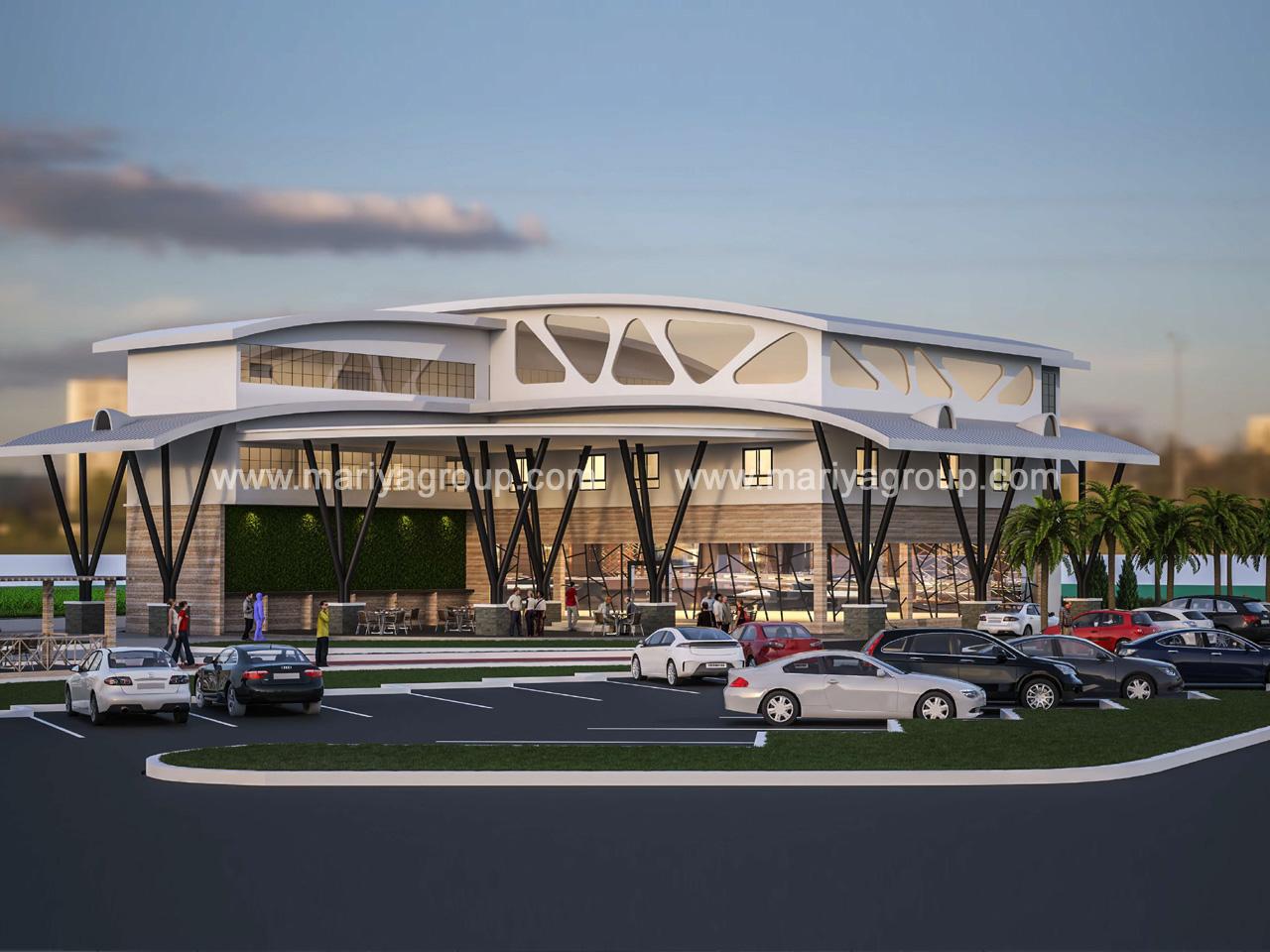
A Practical Checklist Before Hiring Commercial Building Architects
Before making your final decision, confirm that your shortlisted firm:
✔ Has relevant commercial project experience
✔ Understands your business objectives
✔ Follows a documented project process
✔ Coordinates with engineering disciplines
✔ Demonstrates technical expertise
✔ Explains risks transparently
✔ Communicates clearly
✔ Plans for future expansion
✔ Provides realistic timelines
✔ Focuses on long-term business value, not just design
Why Businesses Choose Mariya Group
Commercial projects require more than attractive architecture.
They require strategic planning, multidisciplinary coordination, and a clear understanding of how buildings support business performance.
With 34+ years of experience, Mariya Group provides integrated architectural, engineering, construction, and interior solutions for commercial developments.
Our collaborative approach enables businesses to move from concept to completion with greater clarity, coordination, and confidence.
Whether you’re planning a corporate office, hospitality project, or another commercial development, our team focuses on creating spaces that support operational efficiency, long-term value, and sustainable growth.
Frequently Asked Questions
What do commercial building architects do?
Commercial building architects plan, design, and coordinate business-related buildings such as offices, hotels, retail developments, healthcare facilities, and institutional projects while ensuring functionality, compliance, and long-term performance.
When should I hire a commercial architect?
The ideal time is before purchasing land or finalising project requirements. Early involvement helps identify opportunities, constraints, and potential risks before significant investments are made.
Why is commercial architecture different from residential architecture?
Commercial projects involve more complex regulations, larger teams, specialised building systems, operational planning, and long-term business considerations than residential projects.
What should I bring to the first meeting with an architect?
Prepare information about your business objectives, site details, budget expectations, project timeline, operational needs, and future expansion plans.
Final Thoughts
Selecting the right commercial building architects is not simply about choosing a design firm. It is about choosing a long-term strategic partner who understands your business, manages complexity, and helps transform your investment into a high-performing commercial asset.
Take the time to evaluate experience, process, technical capability, and communication before making your decision. The right architectural partner will influence not only how your building looks but also how successfully your business operates for years to come.
If you’re planning a commercial project and want expert guidance from the earliest planning stage, the team at Mariya Group is ready to help you make informed decisions that support your business goals.